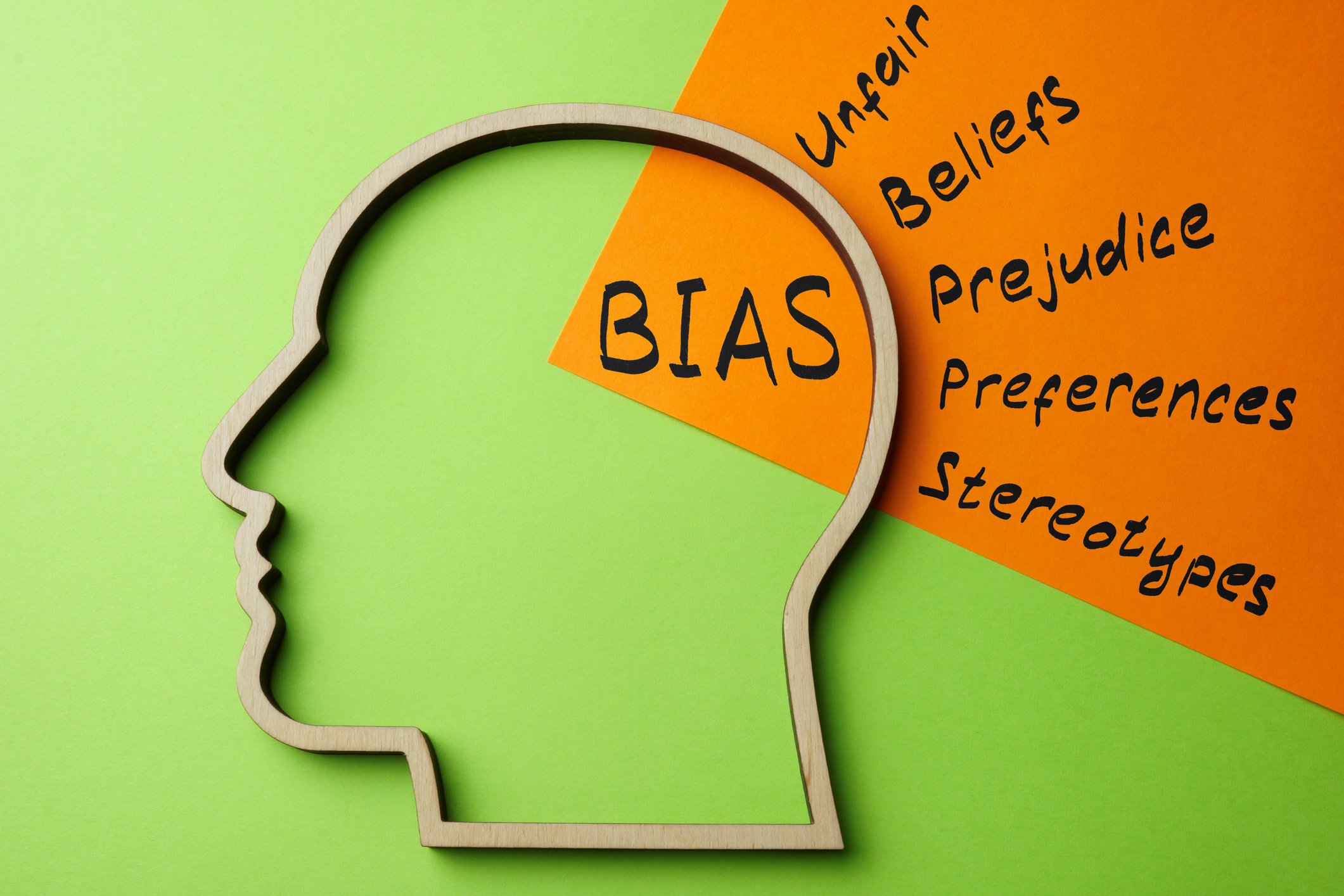
Recently, I’ve been reflecting on how bias, particularly misandry, can emerge in subtle, often overlooked ways in the workplace.
When I accepted a new role, I genuinely believed the positive rapport established during the interview would carry over into a constructive working relationship with my manager. She was part of the interview panel, appeared engaged and gave every indication that she saw potential in me.
That is why it was both unexpected and deeply discouraging when her attitude shifted the moment I joined the team.
From day one, it was clear that she did not warm to me.
As a male employee, I couldn’t ignore the persistent sense that I was being scrutinised more harshly, dismissed more readily, or simply overlooked. There was no overt hostility, but there was a consistent undertone of disregard that made it difficult to settle in or feel valued.
I was left questioning the cause: was she threatened by my professional experience, uncomfortable communicating with an older male colleague, more inclined to engage only with the other staff, who were all female, or was it simply a matter of rudeness?
This experience has heightened my awareness of how profoundly bias, in any form, can shape workplace dynamics.
No one should feel underestimated or unwelcome, yet I found myself going home each day feeling so diminished that I was considering self-harm.
That is not an abstract statement, it is a fact, and one that underscores the seriousness of what unchecked bias can do to a person.
Ultimately, everyone deserves to be recognised for their contributions, not judged or marginalised because of their gender. Open communication and mutual respect are not optional ideals; they are essential, and the absence of them can have devastating consequences.
Leave a Reply